Use coaching to help students juggle the pressures of academic life
Academic expectations and personal responsibilities are crushing students’ mental health. Could coaching offer them a way to take control of their own learning?
June 3, 2025

Academic expectations and personal responsibilities are crushing students’ mental health. Could coaching offer them a way to take control of their own learning?

Learn how the AAA model improved student engagement and learning outcomes in a logistics and supply chain programme, and how its principles apply across disciplines

Group assessment can be seen as unfair and unwieldy, but it also teaches essential skills such as teamwork and collaboration. We owe it to our students to frame it in a way that allows them to see its benefits
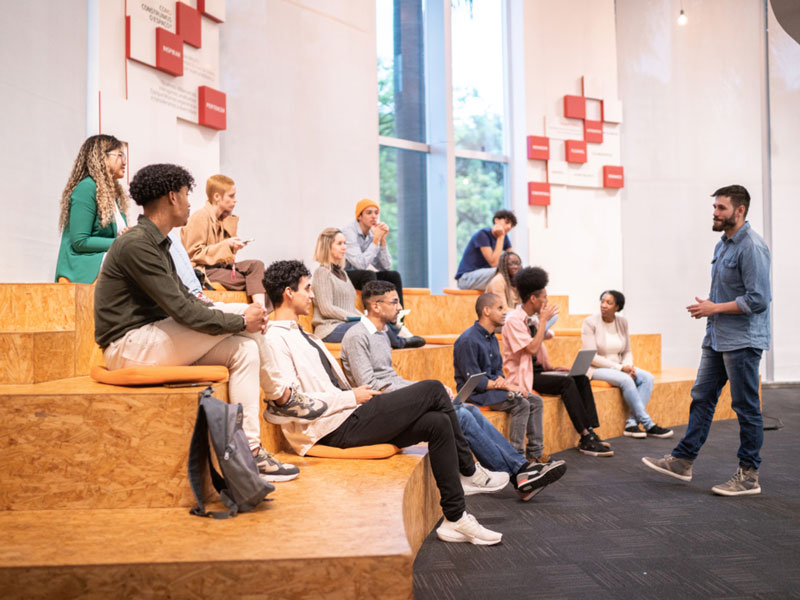
Faye Bowser, vice-president of higher education vertical at Siemens Smart Infrastructure, on ushering in a new era of campus design

Tap into your students’ interests and make climate action fun and competitive. Elliott Brown outlines how

Many science students miss out on quality placements because of systemic barriers. Read five ways universities can embed equitable, work-based learning into non-accredited programmes and level the field

To internationalise education, and not just enrolments, educators need to move feedback on academic language from correction to collaboration. Here Nashid Nigar offers a framework for rethinking inclusion through literacy diversity
Short-term international travel can enhance student outcomes by offering a more accessible and cost-effective alternative to long-term study abroad programmes

The future is unpredictable. So instead of trying to future-proof our students’ degrees, let’s future-proof their mindset

Guidance on using generative AI and augmented reality to enhance student creativity, spatial awareness and interdisciplinary collaboration

Maybe the uncertainty of the pandemic resulted in a few positives to university teaching? Here, Perry Binder reflects on lockdown’s seismic shifts
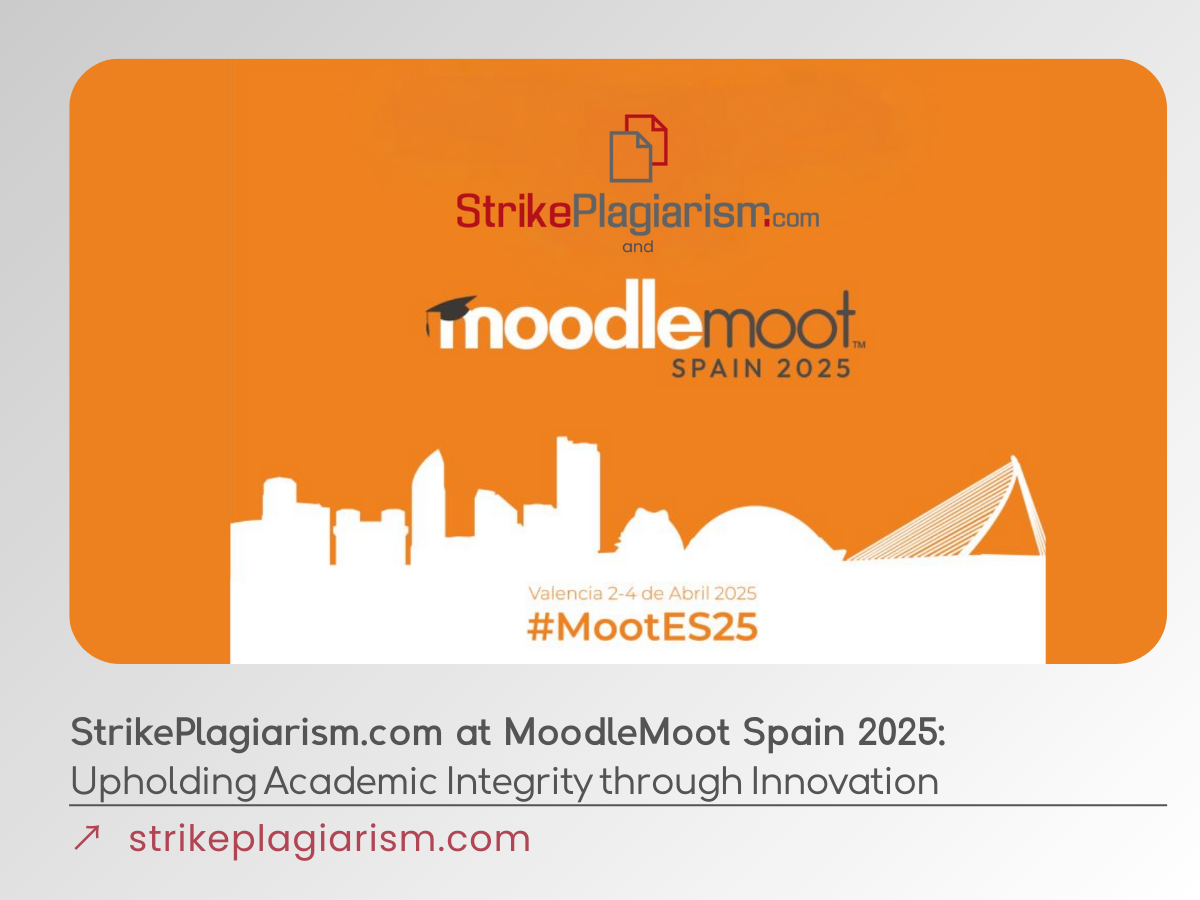
From April 2–4, 2025, StrikePlagiarism.com had the honour of participating as a Silver Sponsor at MoodleMoot Spain 2025, a leading international academic conference hosted by the Universitat de València in collaboration with Moodle HQ. MoodleMoot events are globally recognised for fostering academic dialogue around the open-source learning platform Moodle and for showcasing pioneering research, practices, and technologies that shape the future of digital education.
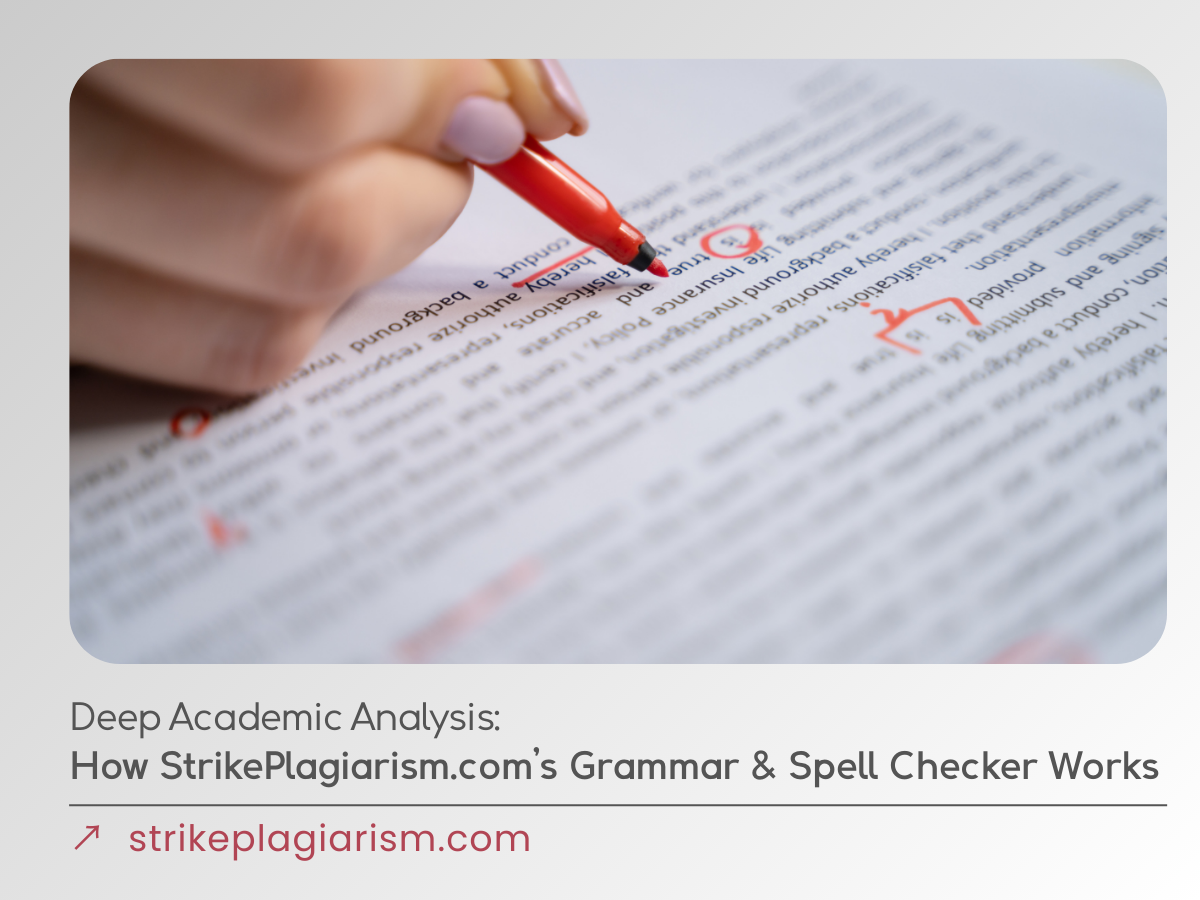
As language precision becomes a defining factor in academic integrity, StrikePlagiarism.com introduces a comprehensive Grammar & Spell Checker designed specifically for the higher education sector. This functionality is implemented as a dedicated report that complements plagiarism detection and AI content analysis within the platform—providing educators with a holistic view of each submission.

As academic integrity practices evolve, writing quality is gaining recognition as a central component of scholarly assessment. In response, StrikePlagiarism.com has introduced a dedicated Grammar & Spell Checker report that helps educators go beyond plagiarism and AI detection to evaluate the linguistic competence and authenticity of student work.
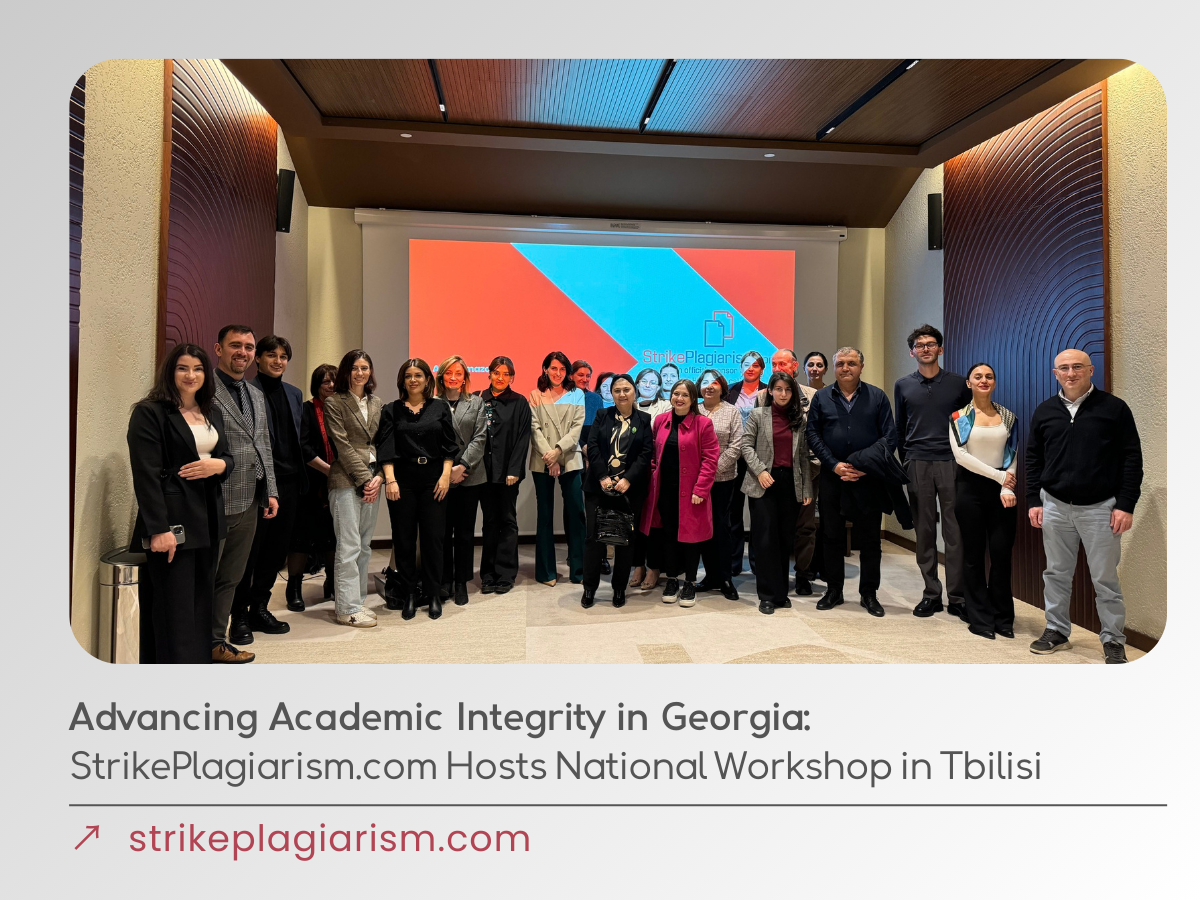
On March 19, 2025, StrikePlagiarism.com held a high-level academic workshop in Tbilisi, Georgia, aimed at addressing emerging challenges in academic integrity and promoting institutional strategies to uphold originality in scholarly work.