Site disruption

We are doing some essential maintenance work and you will not be able to register or update your profile setting until we've finished, which should be at about 9pm this evening.

We apologise for any inconvenience - you will be able to register shortly. In the mean time you will still be able to log in as usual.

Unlocking the Power of Machine Learning in Biostatistics Research: Innovative Approaches to PK/PD Modelling and Drug Repositioning

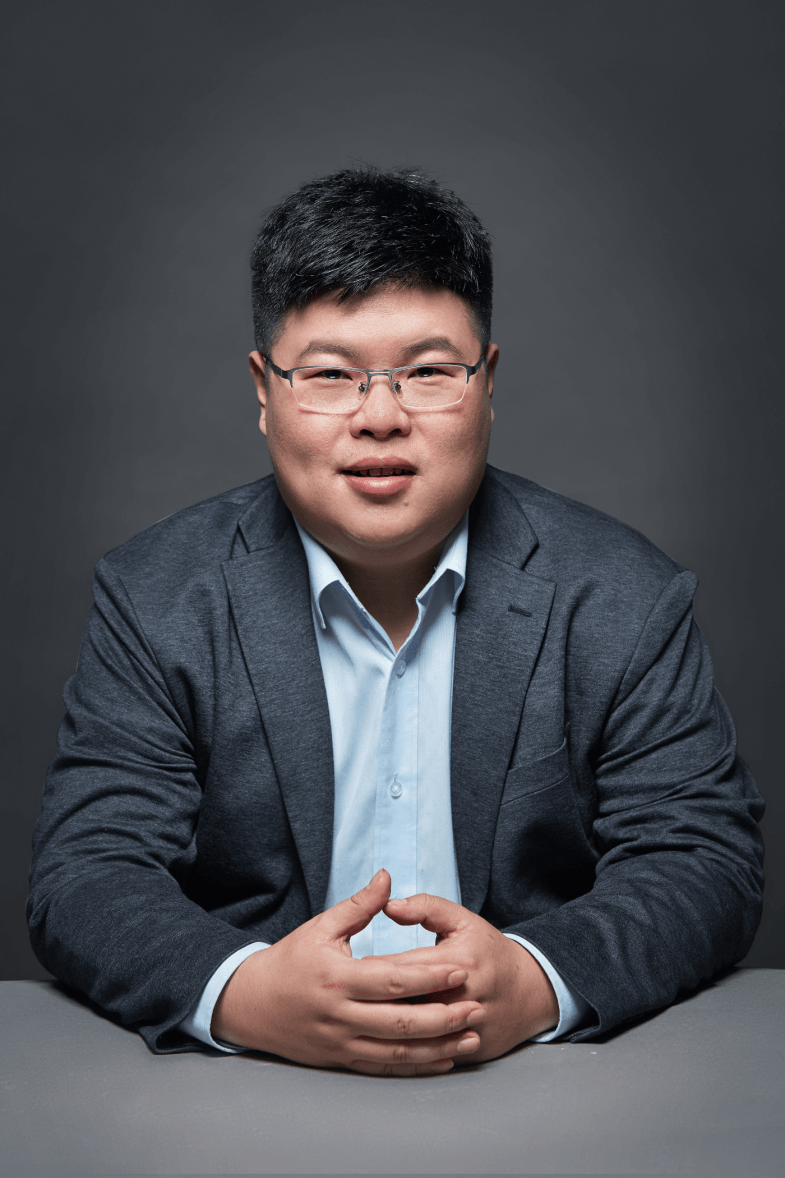
The utilisation of machine learning has the potential to drive unprecedented breakthroughs in biostatistics research, according to Professor Jinfeng Xu, Associate Professor in the Department of Biostatistics at the City University of Hong Kong. With machine learning techniques becoming more sophisticated and accessible, Professor Xu believes there is a tremendous opportunity to leverage these tools in biostatistics research to unlock new insights and accelerate progress towards improving human health.
Nurturing researchers of tomorrow

While research opportunities at universities are typically reserved for postgraduate students, HKUST runs a popular program that offers undergraduates an early taste of academic research.

The Undergraduate Research Opportunities Program (UROP) aims to engage students in creative thinking, intellectual curiosity, problem-solving, and facilitating intellectual exchange and collaboration between undergraduates and faculty.

Ocean science

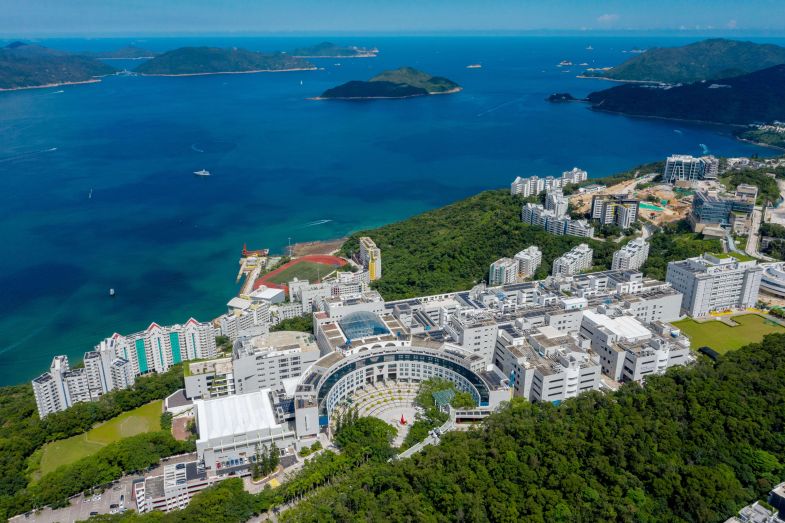
With its campus situated just a stone’s throw away from the South China Sea, HKUST is one of the few universities in Southeast Asia, and the only university in Hong Kong with an on-campus waterfront marine research facility. Our location at Clear Water Bay, Hong Kong creates exceptional opportunities in ocean and environmental research, which is pivotal to the exploration of sustainability solutions for our planet.

Microelectronics

The age of explosive technological advancements is partly characterized by the continuous downsizing of our electronic possessions, be they computers, smartphones, tablets or even vehicles. Such electronic appliances are becoming more compact and lightweight, thanks to the continuous evolution of microelectronic components and technology.

The Future of the Internet

    The past decade has seen flourishing innovations in information technology. Among them are the metaverse, which is set to open up next-generation digital experience, and Web 3.0, which some see as “the new internet” that will bring a sea change to how businesses are conducted  and how society functions in general.

    At HKUST, we dare to experiment with revolutionary concepts about the web. We make use of both our own campus and the outside market as living labs to explore the uncharted waters of the virtual world with an aim of creating a positive impact on real life.

Sustainability

The major challenge of our time is learning how human society can prosper while we live well and sustainably. While many environmental problems like climate change, pollution, and biodiversity loss pose challenges to the world, we at HKUST turn them into opportunities for innovation, smart solutions, and new lifestyles with our futuristic research.

Enhancing air quality by cross-sector collaboration

AI & Robotics

    The vision of having self-learning computers to perform tasks they are better at than humans is increasingly a reality. At HKUST, we support and facilitate robotics-related research, development, and education. With a focus on autonomous systems and robotics research, it integrates innovations in sensors, devices, systems, networks, neurosciences, data analytics and machine learning into a wide range of applications that aim to create societal impact. It also nurtures a network of industry partners, designs entrepreneurship programs, and drives knowledge dissemination.