Keep your rights
Keith Taber (Letters, 3 May) is absolutely right that authors should refuse to waive their moral rights if a publisher asks. The standard legal text on author/publisher contracts, Clark’s Publishing...
Keith Taber (Letters, 3 May) is absolutely right that authors should refuse to waive their moral rights if a publisher asks. The standard legal text on author/publisher contracts, Clark’s Publishing...
The first paragraph of the feature on the increasing number of women in higher education, “Why is Martha doing better than Arthur?” (10 May), says it all: “There are now more women than men in higher...
Re the item about me and a recent speech I delivered (The Week in Higher Education, 10 May): guilty as charged. I did spend most of my career in private schools, although it was not for want of...

University faces criticism for ‘property developer’ strategy in wake of Oxford’s £750 million issuing

Giving Irish undergraduates continued access to home fee status and loans could be discriminatory, experts warn
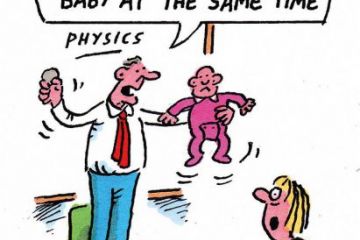
The good, the bad and the offbeat: the academy through the lens of the world’s media

With the consultation now closed, Philip Augar’s review of English post-18 education must begin the hard work of devising substantial but cost-effective proposals, says Andy Westwood
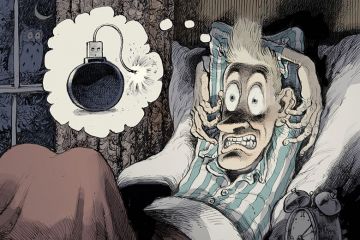
If his late-night photos of the senior common room Christmas party made it into wider circulation, John Brinnamoor would be a dead man

Critics of his initiative to make the University of Buckingham drugs-free are missing the point about the power of education, says Anthony Seldon

Gathering intellectual antagonists under the same roof contains the incendiary electricity of controversy and redirects it to generate sparks of new knowledge, says Carel Stolker
In “Good luck, you’re going to need it”, her review of The Effective Scientist by Corey Bradshaw (3 May), Jennifer Rohn begins by painting a “bleak” picture of the prospects of a young scientist’s...