Elsevier profits near £1 billion despite European disputes
The publisher has reported steady growth and profit margins of more than a third but warned of threat to business from open access

The publisher has reported steady growth and profit margins of more than a third but warned of threat to business from open access

Business and academia accuse each other of ‘more aggressive’ assertion of intellectual property rights
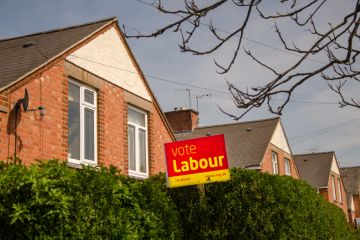
Party’s Lifelong Learning Commission will look at longer-term ‘structures’ in contrast to government’s ‘short-term’ review, says Gordon Marsden

Australian and New Zealand open access advocates want more attention paid to ‘green’ model

Philip Rodenbough sets out a rule to help those writing up research dial in a balance that can pique public interest without boring scholarly peers
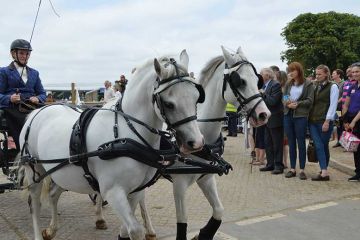
Many presidents have pursued their careers just at one institution, raising questions about management skills, report finds
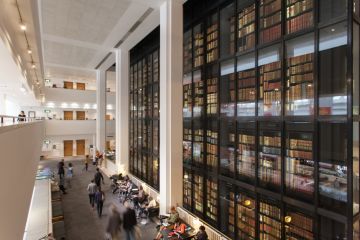
Brexit copyright issues may prevent researchers from consulting Spare Rib, which for two decades served as ‘the most popular voice of women’s liberation’ in the UK

Admissions officers wrote of favouring ‘brown babies’, campaign group reveals

A scientist argues that the secret of life itself lies in networks of data, says Richard Joyner

A scholarly critique of modern psychiatry falls short of describing what psychiatrists actually do, says Tom Burns

A weekly look over the shoulders of our scholar-reviewers

Despite huge strides in the past 75 years, a recent forum suggests to Jon Turney that there’s still a way to go before biologists’ deep insights at the micro level are mirrored at the macro

Claims that academics are indoctrinating their students with liberal propaganda are increasingly common in the right-wing media. John Morgan examines why such a conviction has arisen and whether...
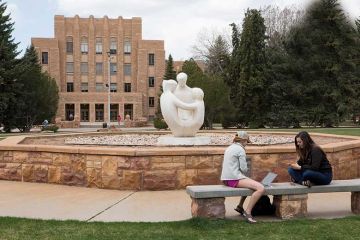
Long-held beliefs on early US public colleges are compellingly debunked, says Howard P. Segal
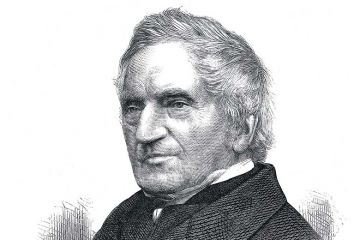
The Cambridge Philosophical Society’s influence on the development of scientific ideas and research cannot be overestimated, writes Geoffrey Cantor