Digital transformation and the future of teaching and learning in EMEA
Online platforms are enhancing teaching and learning and helping educators design a more flexible model of higher education that supports lifelong learning
July 3, 2024
Online platforms are enhancing teaching and learning and helping educators design a more flexible model of higher education that supports lifelong learning
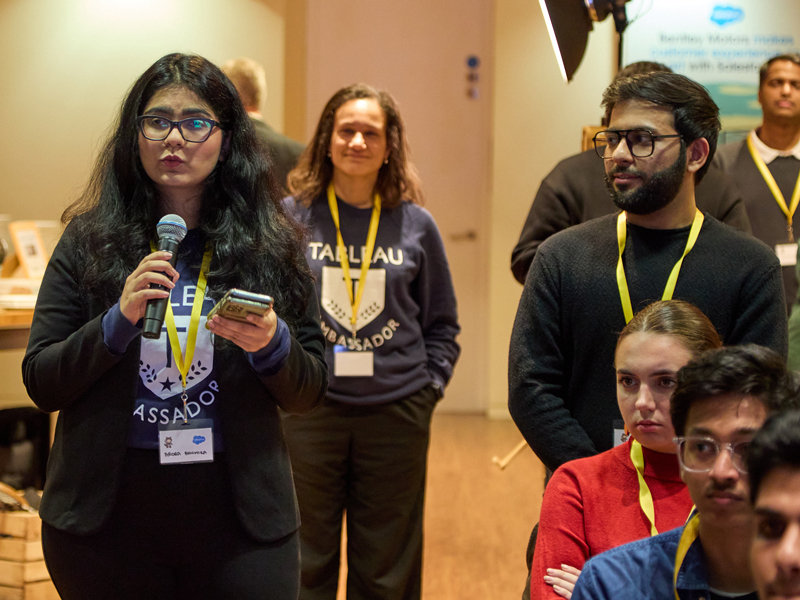
Recognising the importance of data skills in today’s job market, Bhumika Arora leveraged her Tableau for Students licence and became a Tableau Ambassador – a decision that helps her stand out to potential employers

Advice for universities on communication strategies that will push their need for policy action up the next government agenda

With infertility on the rise, is it time for universities to consider how they support staff struggling with fertility? Devon Oakley-Hogg shares a first-hand account of her failed IVF cycles and how the experience has left her craving change

Many students struggle to join universities because their education has been disrupted. Here are ways to improve the inclusivity and accessibility of admissions processes

Times are changing too quickly for any of us to accurately predict what the future employment market will look like. But we can still prepare our students. Hajer N. Sheikh advocates for a more agile approach
Online education empowers faculty to track their students’ progress and personalise their learning experience

There has been little mention of higher education during the UK general election campaign, so it falls to university leaders to make sure their stories are heard, writes Jane Harrington

In block learning, where time is condensed, students are at a greater risk of falling behind. Here, Kevin Merry explains how formative assessment can drive targeted instruction and enable students to accelerate their learning

The employees of the future will need to showcase their skills in job interviews. Make sure they’re prepared for each setting, writes Lewis Humphreys
Higher education institutions must assess which fundamental changes are here to stay and navigate continually changing needs
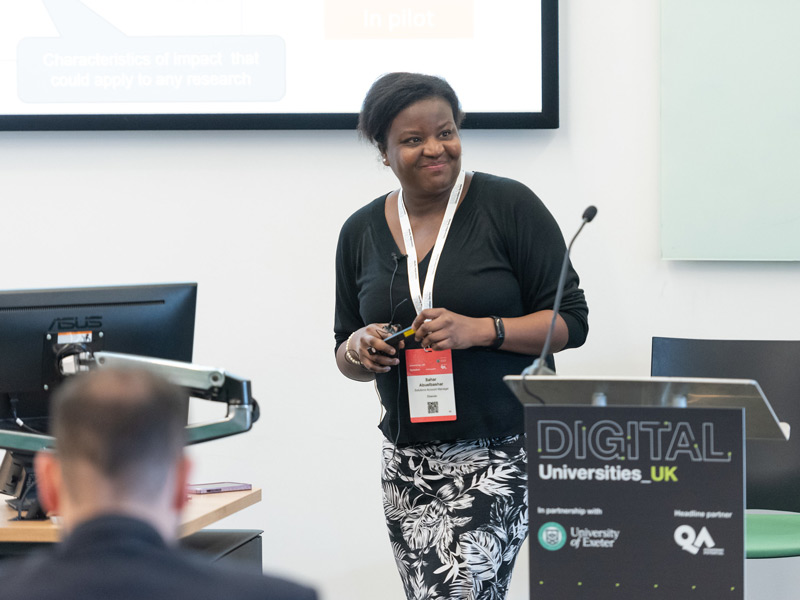
Scopus AI, the new generative AI-driven tool from Elsevier, helps researchers interrogate cited materials in a matter of seconds
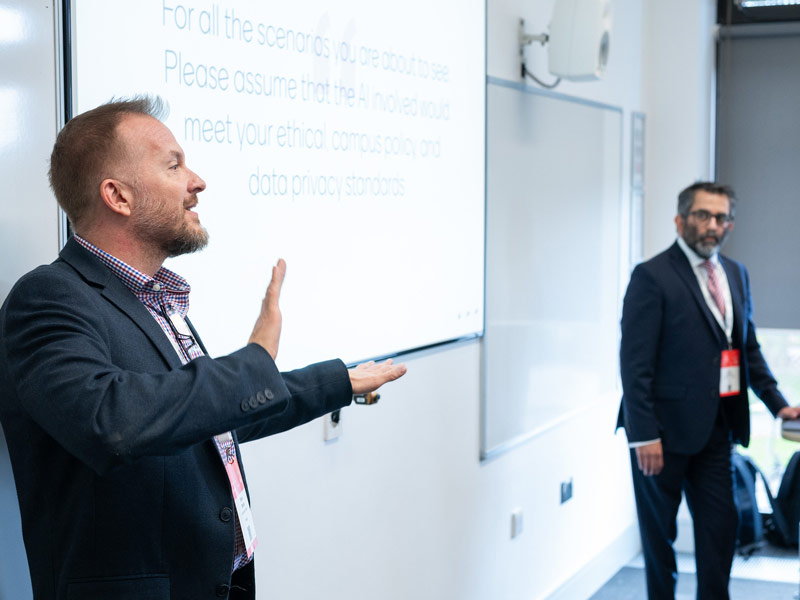
Educators wish to preserve trust and the human touch at the epicentre of learning amid the ‘scary and exciting’ dawn of AI

By identifying the types of feasible options in assessment and discussing them with your students, you will naturally build their confidence in their assessment, writes Miriam Firth

How can we train Australian schoolteachers in cultural and linguistic diversity if our universities are English-only zones? Embed translanguaging practices in our courses, writes Sue Ollerhead