ASU president Michael Crow on the future of online learning in higher education
Michael Crow, president of Arizona State University, speaks to THE editor John Gill about the future of higher education in a digital world
February 4, 2021

Michael Crow, president of Arizona State University, speaks to THE editor John Gill about the future of higher education in a digital world

Amanda Sykes talks about how to develop online teaching resources around a set of simple guiding principles that are immediately accessible and helpful for faculty trying to get to grips with new digital pedagogies

Digital skills are key to the future employability of most graduates. Jo Coldwell-Neilson advises on how to embed digital literacy training into all aspects of online higher education

Working remotely with no face-to-face contact is a challenge for many students. May Lim and Li Siong Lim of the Singapore Institute of Technology (SIT) explain how educators can use technology to identify and help struggling students before they fall behind

While the same psychological processes are at work online as in the classroom, it is much easier for students to disengage when learning remotely. Here are seven well-researched steps to help students stay focused on their online courses

Overwork and stress are growing issues among academics, particularly following the sudden transition to online teaching. Erin Wilson talks through how she manages her busyness to avoid burnout
Read the full results of our Digital Teaching Survey that attracted over 500 responses from university faculty and staff worldwide

Traditional proctored exams rarely work when teaching online so instructors must rely on careful assessment design to minimise the opportunity and temptation to cheat, explain Patrick Harte and Fawad Khaleel

Digital accessibility is crucial in online teaching, says Amy Low. Here, she outlines what universities need to consider when designing inclusive online courses

It’s time for the sage to step down from the stage, according to Steve Davies. Here, he shares simple steps to ensure technology enhances learning outcomes

From digital industry projects to virtual internships, employability can be enhanced online in many ways, but it is how students reflect upon and learn from their experiences that is important, as Dino Willox and Laura-Anne Bull explain

Four higher education professionals discuss what universities and faculty can, or should, do to ensure a top quality digital teaching across their institutions

The move to online teaching is a chance to redesign higher education delivery to reflect the way students learn, replacing traditional lectures with more interactive material, as Kylie Readman, Garth Maker and Astrid Davine explain
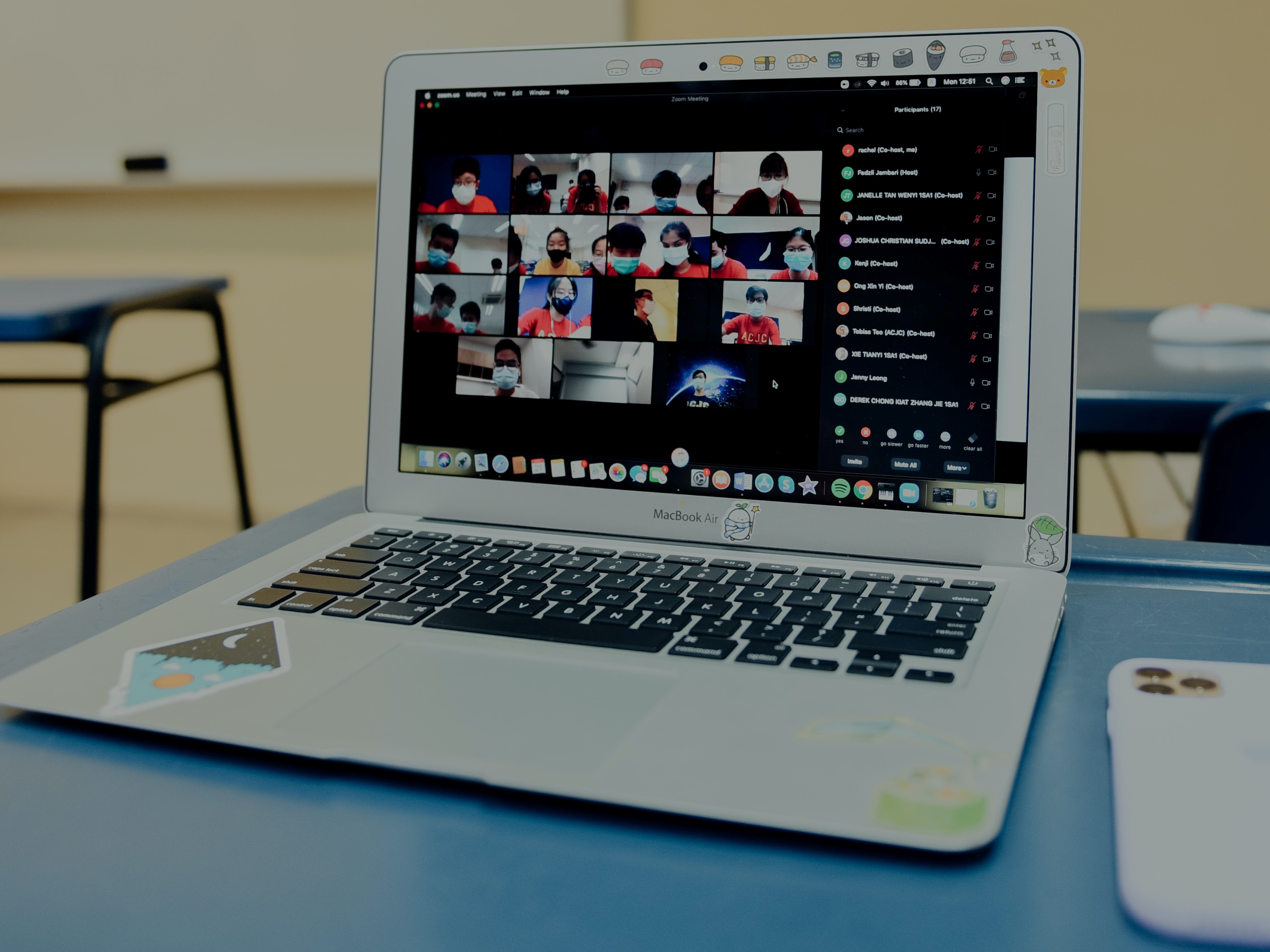
Virtual exchanges enable group work and collaboration between students in different locations, but studies show varied learning gains. Irina Rets and Bart Rienties use their research to examine how instructors can design and manage virtual exchanges to ensure everyone benefits

Digital technologies are more than a short-term emergency tool; they provide an opportunity to enhance student support services long after a return to campus, explain Steven Goss and Amy Greenstein