How can generative AI intersect with Bloom’s taxonomy?
Like in a video game, AI allows us to jump multiple levels, but that doesn’t mean the much-used framework becomes obsolete – we might just need a new approach
August 30, 2023
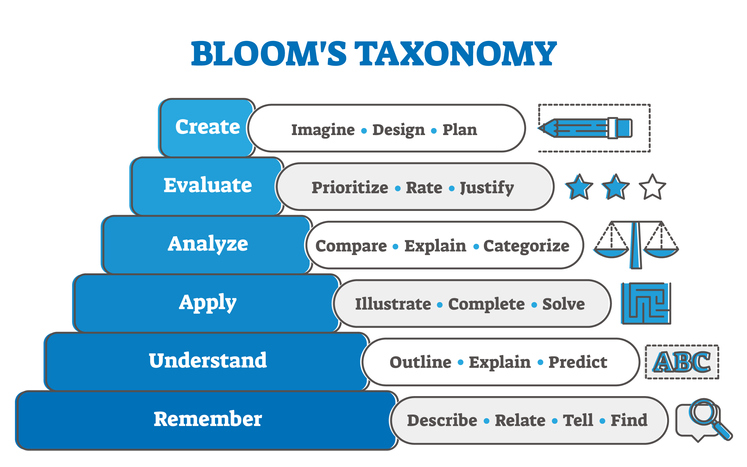
Like in a video game, AI allows us to jump multiple levels, but that doesn’t mean the much-used framework becomes obsolete – we might just need a new approach

Challenges to staff and student well-being are part of university life, regardless of how much support is in place. But iterative strategies can improve the entire community’s experience, write Ben Goose and Cassie Wilson

A guide to creating teaching and learning materials as open educational resources that can be shared and reused by all
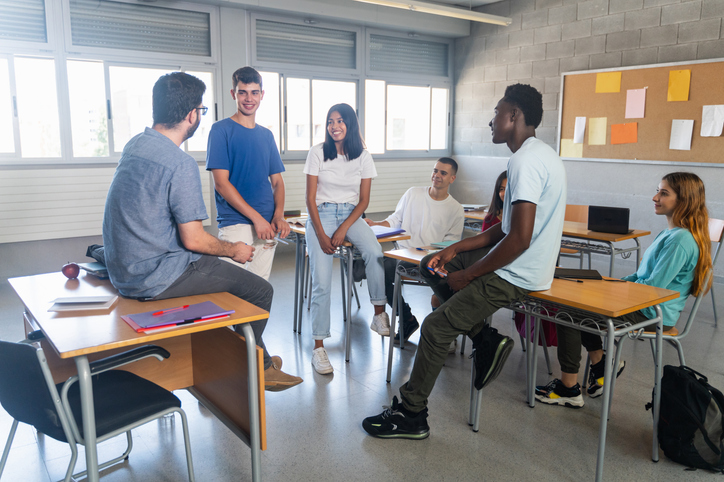
Creating an active learning environment in a large group setting is challenging. Ingrid Sierp shares ways to increase engagement, encourage attendance and gauge understanding in real time

Engaging your students through empathy requires teachers to share their own stories and vulnerabilities and foster a safe space for learning. Here, Beiting He offers 13 ways to create a caring classroom

UK universities can increase their appeal for international students with better transparency and support through the application and enrolment process, Christina Matthews explains

Metacognition in humans holds the key to ‘collaborative intelligence’ – making the most effective use of the complementary strengths of human and artificial intelligence

A guide to using service learning, in which students oversee projects in the community, to enhance theoretical classroom teaching

Movies and television programmes can challenge students’ perceptions and enrich their understanding of the law. But designing an effective module requires more than a must-watch list, writes Michael Randall
Universities can leverage educational technology to reduce administrative time, increase student retention and create a seamless student experience

Lessons learned over a decade of developing and delivering massive open online courses (Moocs)

Tan Bhing Leet provides three suggestions to help educators maximise the benefits of flipped classrooms

Public institutions are doing the heavy lifting of levelling the playing field, writes Jonathan Koppell, so let’s amplify access-oriented institutions as instruments of social mobility and equity
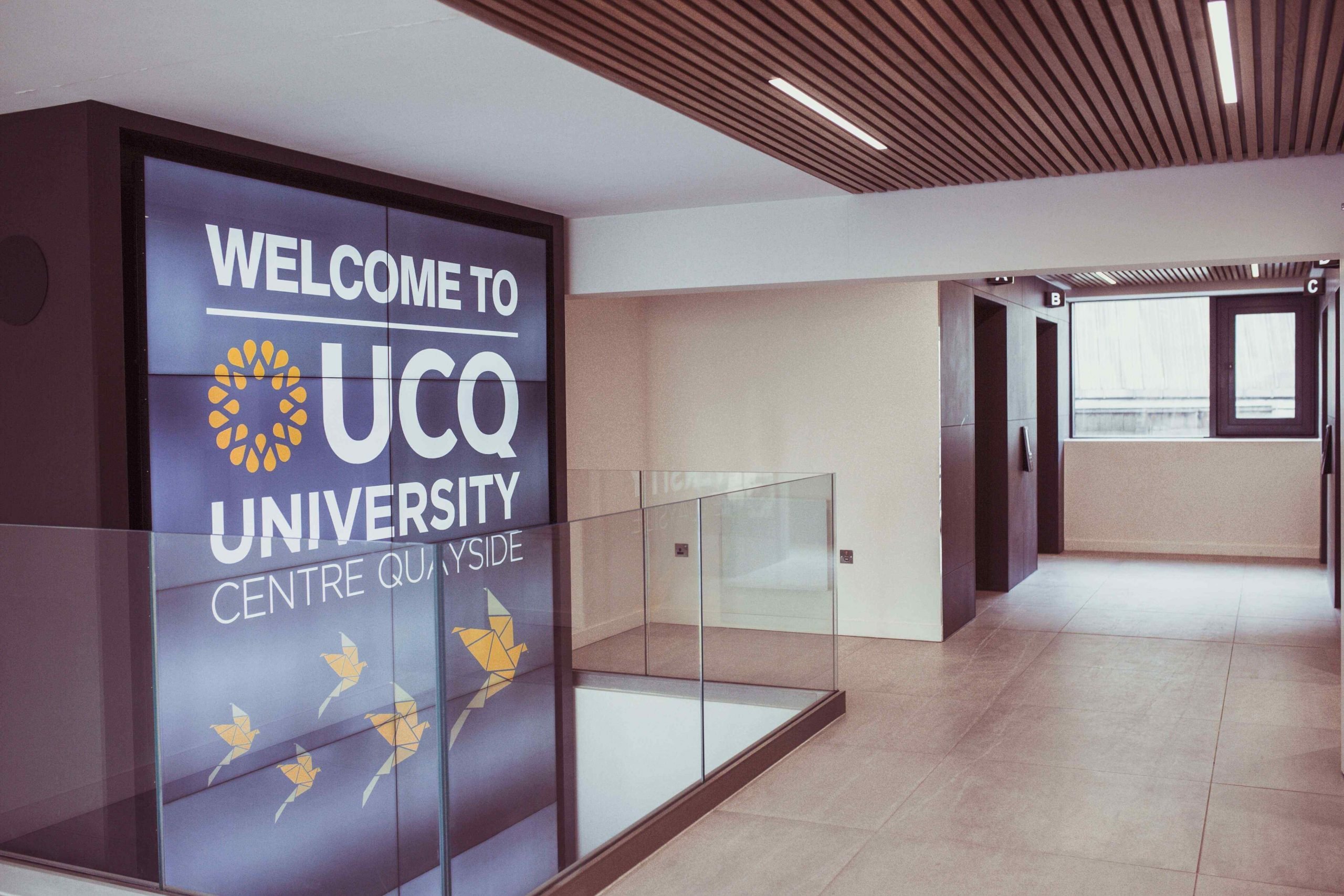
There is no one-size-fits-all solution for students when it comes to accessing textbooks. A range of barriers must be navigated by learners, from affordability issues, to lack of accessibility features and the ability to read materials flexibly on-the-go.