A look back over 10 years of Moocs
Lessons learned over a decade of developing and delivering massive open online courses (Moocs)
Tan Bhing Leet provides three suggestions to help educators maximise the benefits of flipped classrooms
Public institutions are doing the heavy lifting of levelling the playing field, writes Jonathan Koppell, so let’s amplify access-oriented institutions as instruments of social mobility and equity
There is no one-size-fits-all solution for students when it comes to accessing textbooks. A range of barriers must be navigated by learners, from affordability issues, to lack of accessibility features and the ability to read materials flexibly on-the-go.
Creating an inclusive, accessible product is important to us, and we incorporate this into everything we do. Whether it’s a hybrid team experience to include remote workers, clear internal updates for those whose native language isn’t English, to easy to read, mobile friendly marketing emails to our user community.
A guide to organising class discussions in different formats so that all students feel able to participate, based on insight from Harvard educators
Modern institutions must adjust their recruitment approach from data-driven to values-driven and realise the importance of putting people, not spreadsheets, first, says Dan Barcroft
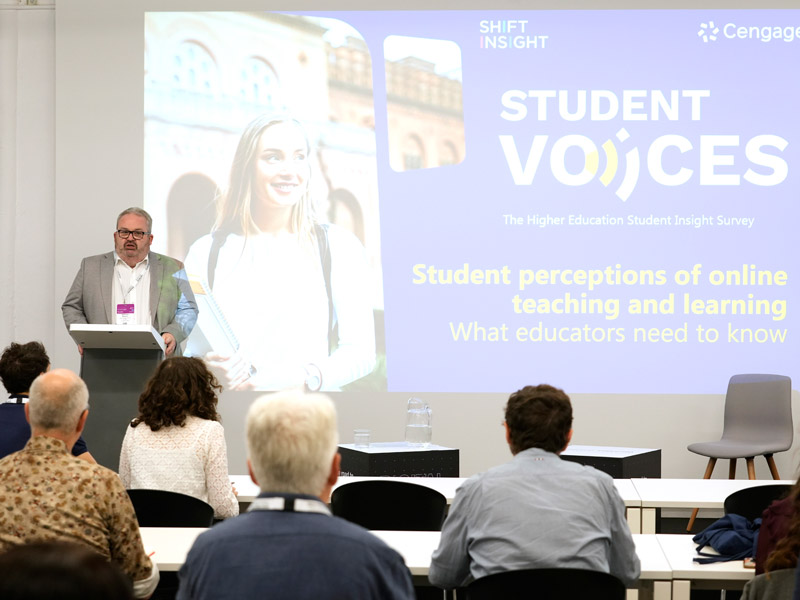
Teacher presence significantly influences students’ engagement, satisfaction and learning. So educators need professional development focused on adjusting their classroom teaching skills to online learning environments
In the third part of their series, Rob Wilby and Shona Smith explain how universities can determine their climate risk exposure, then identify actions to reduce associated threats to people, property and operations
Kelly Lam shares how universities can work with student interest groups to add value to the university and aid student development
A major challenge for educators is to present the theoretical beauty of medicine to students who have a broad spectrum of prior experience, ability and motivation – whether their interest is clinical or theoretical
Connecting students who share a lived experience such as bereavement, family estrangement or loneliness can help to foster a sense of community and belonging at university, explains Hannah Moore
Institutions must adopt a steady, thoughtful and collaborative approach that sells the benefits of new systems to all staff for a holistic digital transformation
Effective regulations and widening access to microcredentials can better support all learners in reskilling upskilling, and finding pathways into education
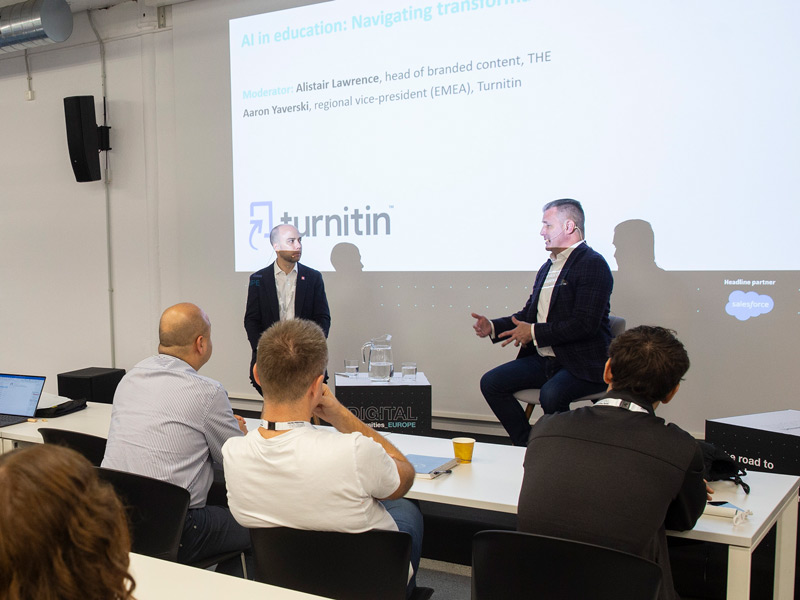
Digital learning tools can support student success, but there remains resistance at some institutions in Europe. The key to adoption will be reinforcing how online delivery can personalise learning to drive student success