Coursera
Coursera is a leading online learning platform for higher education, where more than 55 million learners from around the world come to learn and grow
Coursera is a leading online learning platform for higher education, where more than 55 million learners from around the world come to learn and grow

Soldo provides a spend management platform that ties the means to spend with a system that tracks it in real time
Cultivating resilience, changing the world
Now, more than ever, society is looking to the global research community to respond to emerging challenges. This virtual summit will examine how academia, government and industry can align to support all facets of society. The summit will also see the live reveal of the THE Impact Rankings 2021.


The dynamic development of health care, global challenges and the internationalization of higher education have called for a paradigm shift in the way we think about educating physicians and health care workers of the future. Working together with internationally renowned experts and following the examples of some of the world’s leading universities, the 250-year-old Semmelweis University implemented an extensive curriculum development.
Over the past couple of months, universities around the world have had to quickly innovate, moving their programs online, training staff to deliver course curriculum in new ways, navigating international students moving home, and creating an entirely new student experience.

Peter the Great St. Petersburg Polytechnic University is the largest technical university in Russia.
We are Peter the Great St. Petersburg Polytechnic University. We are open to the world.
A student engineering team “Polytech Solar” of Peter the Great St. Petersburg Polytechnic University designed and constructed a solar car for participating in solar challenge competitions.
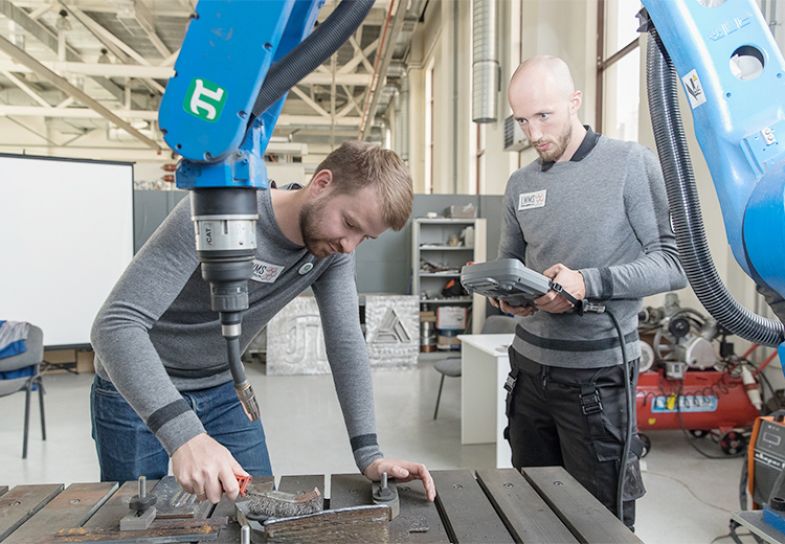
Peter the Great St. Petersburg Polytechnic University has established the Center of Additive Technologies, one of the largest in Russia and Europe; thanks to that, within a short period of time the university could adhere to the leaders in the field of additive production in Russia.