The average salary among Russell Group leaders increased above £350,000 last year, despite these universities losing almost 7,000 staff members due to cost-cutting.
Times Higher Education analysed the financial accounts released by 20 members of the research-intensive mission group so far for 2024-25 – a year in which many universities fell into deficit.
The median total pay package awarded to these Russell Group vice-chancellors dropped slightly from £401,000 to £397,000 – a fall partly explained by changes to pension contributions and fewer large payouts than last year.
But the median base salary for vice-chancellors increased by 5 per cent from £334,500 in 2023-24 to £350,500 last year. This was an increase from just £314,000 in 2021-22.
The largest award went to Irene Tracey who received a total pay package worth £666,000 from the University of Oxford – up from £573,000 in 2023-24. A large portion of this related to reimbursement for tax liabilities on the property that Tracey lives in.
But it also included an increase in base pay from £410,000 to £427,000 – which gave Tracey the largest salary among the group.
It was closely followed by Deborah Prentice at the University of Cambridge (£414,000 base salary) and Michael Spence at UCL (£410,000).
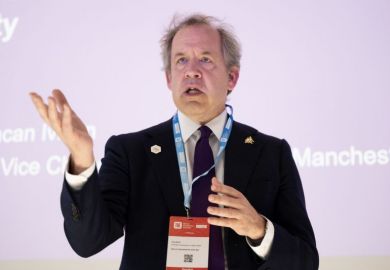
The biggest increase in pay came at the University of Manchester where new vice-chancellor Duncan Ivison received almost £150,000 more in pay and benefits than his predecessor.
Ivison was awarded a base salary of £350,000 a year, which was 35 per cent more than the £260,000 that Nancy Rothwell was paid for seven years in a row before her retirement.
As a result, Manchester no longer has the lowest remuneration in the Russell Group – an accolade that now belongs to the University of Glasgow where the recently retired former principal Anton Muscatelli received total compensation worth £300,000.
Glasgow was one of three institutions, alongside Newcastle University and Durham University, which did not increase leaders’ salaries in 2024-25.
Jo Grady, general secretary of the University and College Union, renewed her criticism of pay packages at the top in the wake of the findings.
She said vice-chancellors were “accepting salary bumps and massive bonuses for themselves as the sector goes up in smoke”, something that “just beggars belief”.
In total, the 20 universities spent £8.3 million on remuneration for their vice-chancellors. The accounts also reveal they collectively let go almost 7,000 staff in the same year – costing £124.6 million in compensation for loss of office.
Mike Short, head of education for Unison, said: “Vice-chancellors seem perfectly happy to take inflated sums for themselves, yet plead poverty when it comes to staff pay.
“With record numbers of higher education jobs under threat, it’s staggering university bosses continue to think their wage hikes should be way above the paltry 1.4 per cent rise they offered the people who keep their institutions running.”
THE’s analysis of accounts so far has also revealed several large bonuses given to leaders. Within the Russell Group, Adam Tickell received £28,000 in performance-related pay from the University of Birmingham – as part of his £453,000 remuneration.
And Larry Kramer received a £30,000 annual review contribution award as part of his £530,000 total package from the London School of Economics and Political Science.
With many universities speaking loudly about the ongoing funding crisis, Amira Campbell, National Union of Students president, said it was surprising to see vice-chancellors’ salaries continue to rise.
“While tackling vice-chancellors’ pay alone will not solve the crisis in higher education funding, with 12 per cent of students accessing foodbanks, the salaries at the top are hard to hear.”
Register to continue
Why register?
- Registration is free and only takes a moment
- Once registered, you can read 3 articles a month
- Sign up for our newsletter
Subscribe
Or subscribe for unlimited access to:
- Unlimited access to news, views, insights & reviews
- Digital editions
- Digital access to THE’s university and college rankings analysis
Already registered or a current subscriber?