A disabled student has claimed he should have been given more support after tight deadlines around his PhD submission led to him unintentionally overstaying his visa.
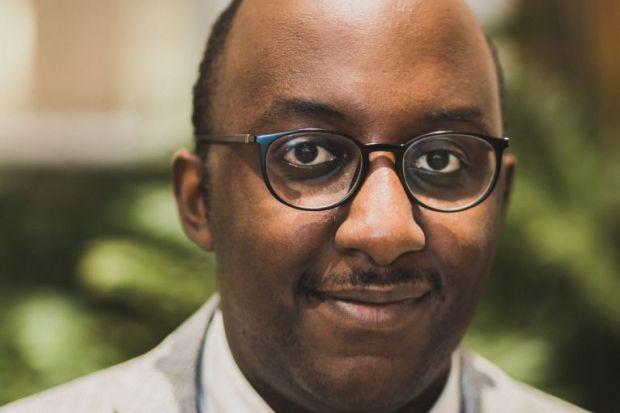
Rémy-Paulin Twahirwa, a visiting fellow in the department of sociology at the London School of Economics, has lodged a complaint after being forced to work “under extreme pressure” to submit his thesis as the deadline for his student visa expiry neared.
According to the complaint supported by campaign group Unis Resist Border Controls (URBC), Twahirwa was told that because of scheduling issues his viva examination would take place just 12 days before his student visa was due to expire in August last year.
Although he passed with no corrections, he asked the university’s Service Advice and Engagement Team about extending his visa to deal with final administrative issues connected to the thesis.
Less than 24 hours before the deadline, the university told Twahirwa that no student visa extension would be granted and that he was expected to submit a finalised PhD thesis by 5.30pm.
“I was forced to complete substantial work under extreme pressure, causing severe distress and anxiety, and compromising my ability to ensure my thesis met LSE’s exacting standards,” he says in the complaint.
URBC said this was a violation of LSE’s adjustment plan policy for disabled students, and Twahirwa’s GP said it contributed to “a serious impact on his mental health”.
Given the tight time frames involved, Twahirwa said that he was unable to receive his Confirmation of Acceptance for Studies (CAS) number in time and apply for a new visa under the graduate route, leading him to overstay on his former visa.
As a result of this, Twahirwa, whose work focuses on race, carceral institutions, and migration, lost his part-time job and the right to rent his flat.
He was eventually able to obtain a graduate visa after explaining the circumstances to the Home Office, but was forced to pay thousands of pounds in visa and legal fees.
URBC said LSE failed to provide proper pastoral care, and Twahirwa’s PhD submission should not have been “interrupted by constant worries about his immigration status”, adding that the case illustrated the “precarious existence of migrant students in UK higher education”.
Twahirwa said he was deeply concerned to have been left without meaningful institutional support, and said it reflected a wider problem in higher education.
“My experience raises serious questions about accountability and about how migrant and racialised students and researchers are treated, and I hope this complaint prompts reflection on the impact of hostile environment policies within higher education.”
LSE said it could not comment on a case that was ongoing.
A spokesperson added: “LSE takes student well-being and support extremely seriously and has dedicated services to ensure that all students have access to a wide range of resources, both for advice and help across multiple areas of concern.”
Register to continue
Why register?
- Registration is free and only takes a moment
- Once registered, you can read 3 articles a month
- Sign up for our newsletter
Subscribe
Or subscribe for unlimited access to:
- Unlimited access to news, views, insights & reviews
- Digital editions
- Digital access to THE’s university and college rankings analysis
Already registered or a current subscriber?